The short of it is that one does not find a clean division between wet and dry in Kakadu National Park. To the Bininj and Mungguy, the traditional owners, the year is made up of six separate seasonal phases: Gudjewg, Banggerreng, Yegge, Wurrgeng, Gurrung and Gunumeleng. You will see their mark in the way the winds and water levels change, in the flora and fauna and in the rhythms of everyday life.
For the traveller this is of some import. The six seasons will put things in a perspective no ordinary weather app can. They are the reason you have to put up with a shirt sticking to your back by 9 am or why a road is shut, when the birdlife descends on the floodplains and the waterfalls are in full flow. Whether you are after a croc-wise boat ride, easy walking or the odd dramatic storm, the best season for Kakadu is dictated by them.
I am Thalia Vale. In my view brochure copy has a way of flattening this subject. You will be told about “Top End seasons” and think in terms of wet versus dry. But that is not what the Bininj and Mungguy would have you believe. Theirs is an Indigenous seasonal calendar of some precision, arrived at by observation rather than guesswork. Make of it what you will, but once you do, Kakadu is all the more comprehensible.
So if a trip is in the offing, here is the practical side of it. Yegge and Wurrgeng present the easiest window for touring in cooler conditions and getting around; Gunumeleng and Gudjewg are harder to deal with but you will not forget the storm energy and lushness they bring. Should you want to get away from the crowds and see the country change, the shoulder times are apt. I have set out in this guide how each season plays out on the ground so you are not taken aback by heat, closures or floodwater.
Why the Seasonal System is of Use
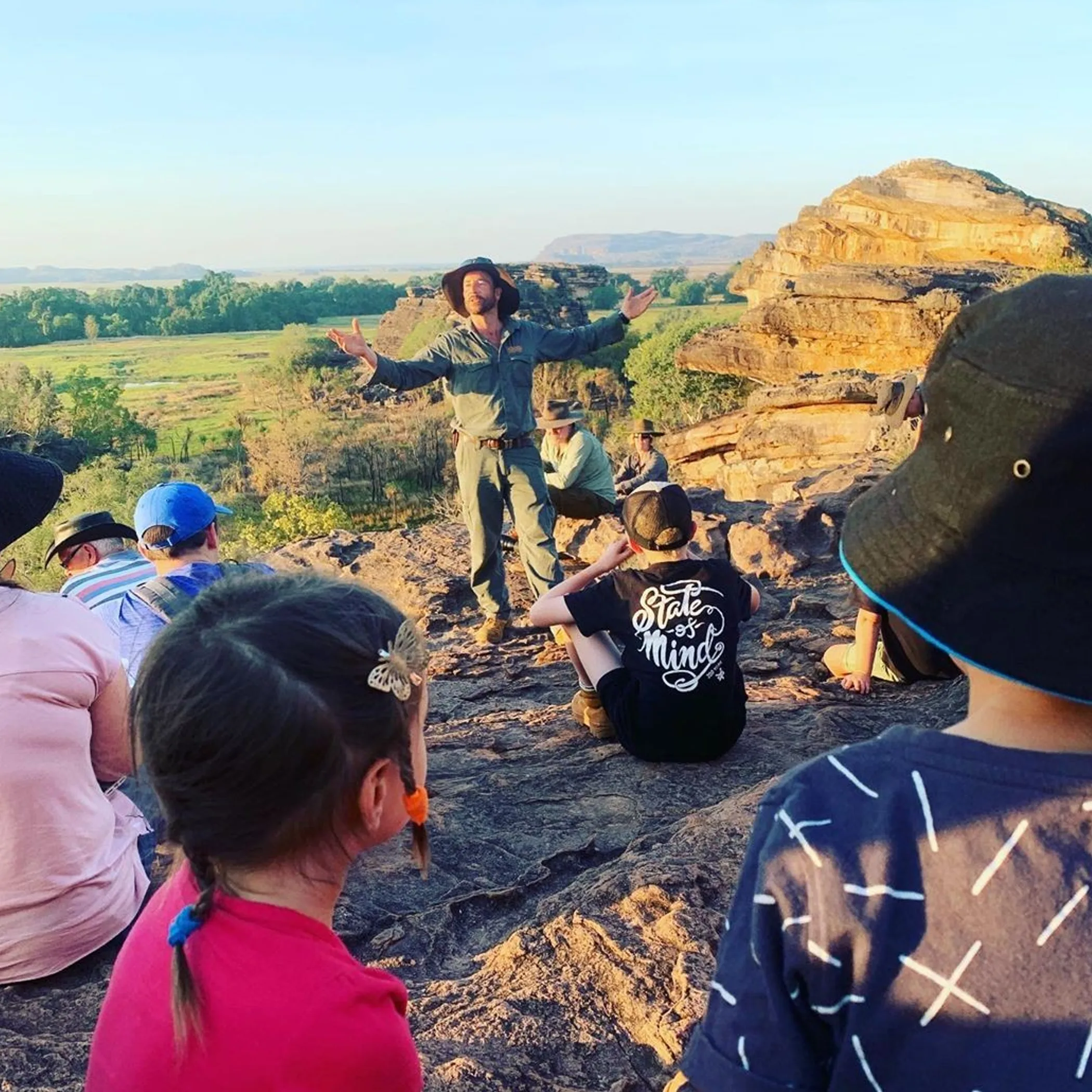
Stick with “the wet” and “the dry” and you are going to overlook the kind of detail that makes or breaks a visit to Kakadu. The six-season system is a better indicator of the wildlife viewing, scenery and comfort most are after.
It is also a matter of honest expectations. Put a waterfall in front of you in one part of the year and come back three months on and it is like another place altogether. That is just seasonal ecology, nothing to do with false advertising.
The Knowledge of the Bininj and Mungguy
When the Bininj and Mungguy talk of the seasons in Kakadu they are reading the country: the storms, the humidity, how the animals and plants are behaving, the temperature and the rain. An Indigenous calendar has more to offer than a monthly average because it is of what is actually happening on the ground as opposed to figures on a page. Parks Australia uses the six seasons as a framework for the National Park and it is hard to put the region in clearer terms. For the official word on safety and park access, refer to Parks Australia Kakadu National Park information. Be aware that in the monsoon season, heavy rain and flooding can alter access in a hurry.
Do not be under the impression that the seasons adhere to a neat date on the calendar. They have no such thing as a wristwatch. What follows is a good enough guide to the timing but local conditions will trump your booking confirmation in some years, in others the shift will be early.
A Snapshot of the Seasons
Before we go into the nitty-gritty the table below is the quick run down of what to expect in terms of access and comfort. It is the sort of cheat sheet I would have people consult before they commit to a flight.
Then again there is no one right answer, only what suits the individual. The “best” season is a function of your budget, how you take the heat and whether open roads or waterfalls are higher on your list. Gudjewg
Banggerreng
Yegge
Wurrgeng
Gurrung
Gunumeleng
The timing, the conditions and what to be on the lookout for in each are set out below.
| Season | Usual Timing | Conditions | Best For | Watch Outs |
| Gudjewg | December – March | Monsoon and heavy rain, country is flooded | Lushness, big waterfalls, a bit of storm drama | Humidity and heat, you will find access limited and roads closed |
| Banggerreng | April | Water recedes, storms let up, grass is down | To see the transition in the floodplains and birdlife | Muddy and some tracks remain off limits |
| Yegge | May to mid-June | Mild, lilies in bloom, not so humid | Photography, a walk about, touring with ease | It is popular so put in a booking |
| Wurrgeng | Mid-June to mid-August | Dry air, mornings are cooler, no trouble getting where you want | All the major sites are open for camping or a road trip | In some quarters the busiest time and nights can be cool |
| Gurrung | Mid-August to mid-October | Hot and dry, water sources thin out | Fewer people and wildlife by what water is left | Heat and arid country, some falls are not much to look at |
| Gunumeleng | Mid-October to late December | First rains, humidity and storms build | For the colour that comes back and dramatic skies | Disruptions from the weather, sticky going |
In the Top End as a whole the rainfall is very much a seasonal affair rather than being doled out evenly over the year; this is how it is here too. Put simply, the wet season months account for most of the annual rain and that dictates everything, even if your socks ever get to dry.
Full Monsoon Energy in Gudjewg
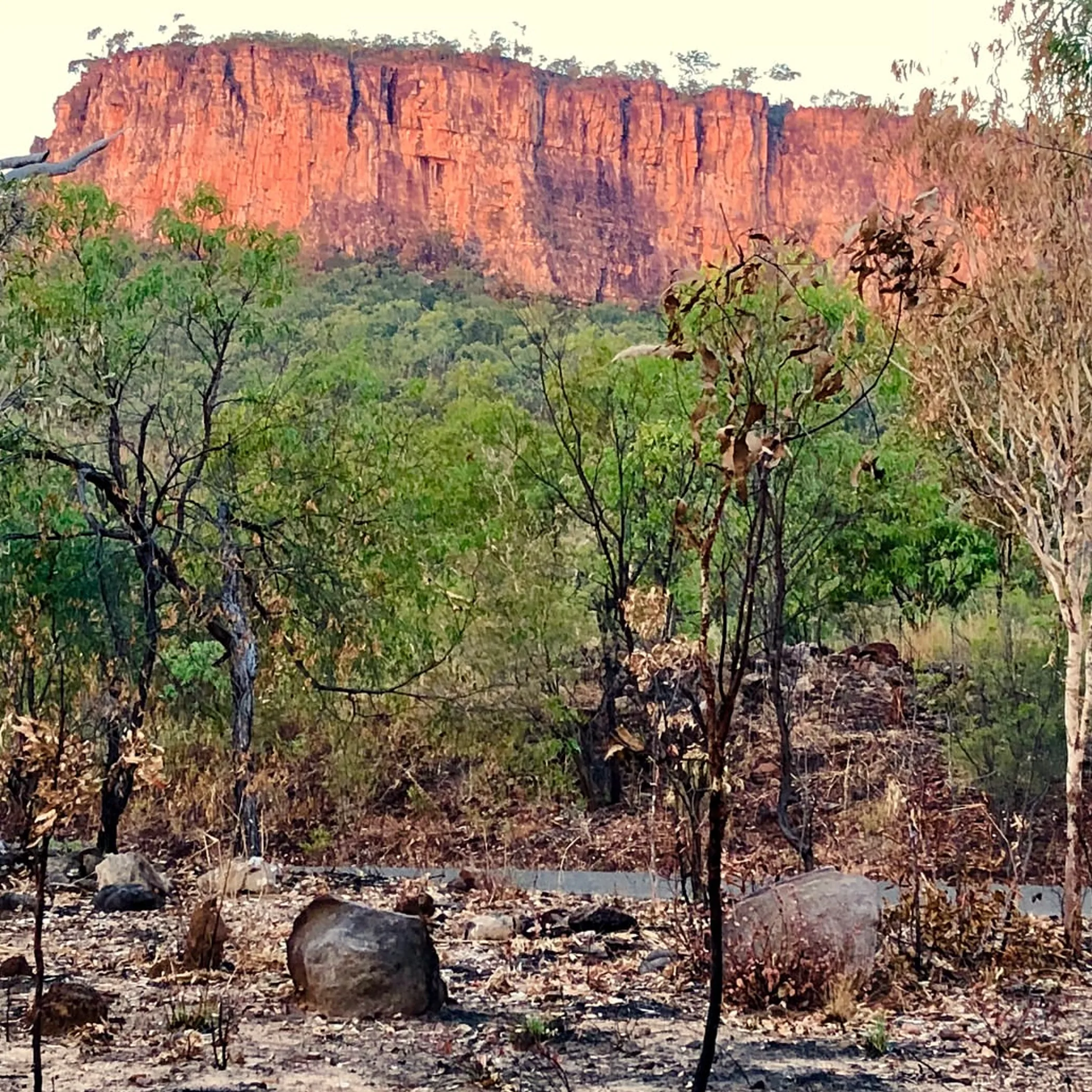
Then there is Gudjewg, the monsoon in all its proper form. To one who has only experienced the dry season pattern in Kakadu it may seem like a different country. The place is loud and swollen, waterways are at their widest and the waterfalls have a force of their own.
Unprepared visitors are caught out in this season. Make no mistake, if you fancy a neat circuit to put every 4WD track and swimming hole and lookout on your list, Gudjewg will have you down and wash out your plans.
What it is like
Running from December into March, the wet season is in full swing. You can count on the odd thunder, flooding, plenty of humidity and reduced access. Daily road and safety reports are more to the point than any monthly weather guide for Kakadu.
But there is a spectacle to be had. The billabongs and floodplains fill in, the waterfalls make noise and the whole area is alive. A photographer or a chaser of storms will find it brilliant, as will anyone who prefers the bush unpolished.
Who should go
Those who are after atmosphere and not box-ticking, or who are amenable to a change of plan, will be well suited to the season. Guided travellers and repeat visitors are in their element. The likes of Venture North and other Kakadu Tourism operators will put together an experience for the wet season based on what is actually accessible, they will not put on airs that everything is open.
Not so much for the first-timer behind the wheel wanting a long unsealed detour or a packed schedule and some certainty. If you book to the minute, Gudjewg will put your character to the test. Not always in a way that is spiritually uplifting.
A Knock-Down Shift with Banggerreng
There is retreating rain in Banggerreng and changing winds, along with knock ‘em down type storms. An April in Kakadu can be hard to settle with and this hinge season, if not as well known as the monsoon, explains why.
Expectation and reality tend to diverge. “Wet season is ending” has people thinking the roads are wide open again but the country is still saturated and while assessments are made and waters go down you will encounter delays.
The difficulty of April
Storms have put the grasses down and there is still the mark of Gudjewg on the landscape. But the birdlife is good and the floodplains have a softness to them in transition that you do not see in the dry. It is a shrewd time to be here provided you are flexible and realise that a route will only be reopened when it is safe and practical, not just because the rain has abated.
Easygoing in Yegge
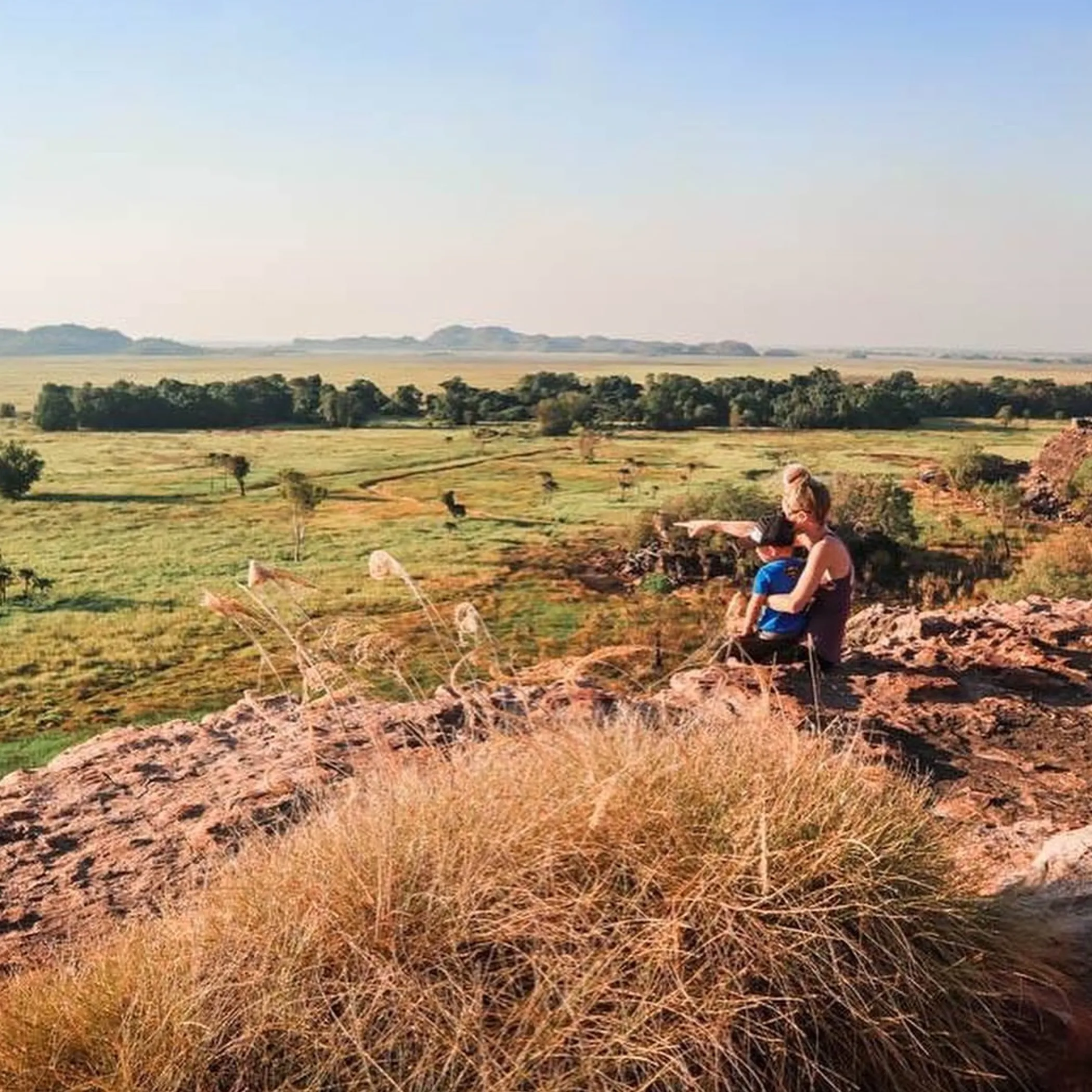
Kakadu becomes a more congenial place for the ordinary traveller in Yegge. The humidity is not so much in evidence and you can be outside for longer without having to consider shade and hydration and such like.
Many will tell you it is the best of both worlds, reliable movement and good scenery. First timers come to see why patience is its own reward in the park.
The appeal of Yegge
Temperatures are milder in these May to mid-June months and you have better access to places. The water lilies start to flower and the ecology of the wetlands and the vegetation is on show, giving the park a freshness.
It is good for learning, a cruise or some photography. With older relatives or children in tow you will be more at your ease in Yegge than in the pre-monsoon or during it.
One-Day Priority Plan
One day in Kakadu over Yegge is not the time to be driving all over creation. Put your efforts into a single lookout, some wetland or cruise and a cultural site of note. The drive from Darwin will take longer than most put down on paper and before you know it the day trip has been more windscreen than wonder.
You are looking at several hours on the Stuart and Arnhem Highways to get from Darwin to the region; make a stop and the time adds up. There is variance in what you will pay for fuel, food and park entry but it is wise to have a budget for those outgoings as well as for a guided activity or the cost of touring on your own. Make an early start if you are to do it in a day, bring more water than seems necessary and give some thought to fatigue when you head back.
Wurrgeng Brings Clear, Cool Days
For unadorned exploring there is no better season than Wurrgeng. You will find access is good, the mornings are cool and the dryness of the land means logistics are predictable, not as severe as they become further on in the year. It is the road tripper’s friend, with none of the drama. But then everyone has the same notion so the well known sites can be busy.
Best For First-Time Visits
Running from mid-June to mid-August, this is the period that will suit the first timer with its open roads, lower humidity and walking conditions in order. One is hard pressed to find a better answer for when to come to Kakadu. Even wildlife viewing in the managed areas and wetlands is amply rewarding. And the comfort of it is something: you can put in a walk or a drive to a lookout without dissolving in your sandals.
Then again, it is availability that is the problem here, not the weather. In these agreeable months accommodation and the good camp spots go fast and a tour may be booked out; those who leave it to the last minute could be put to extra expense or left wanting.
Gurrung Turns Up The Heat
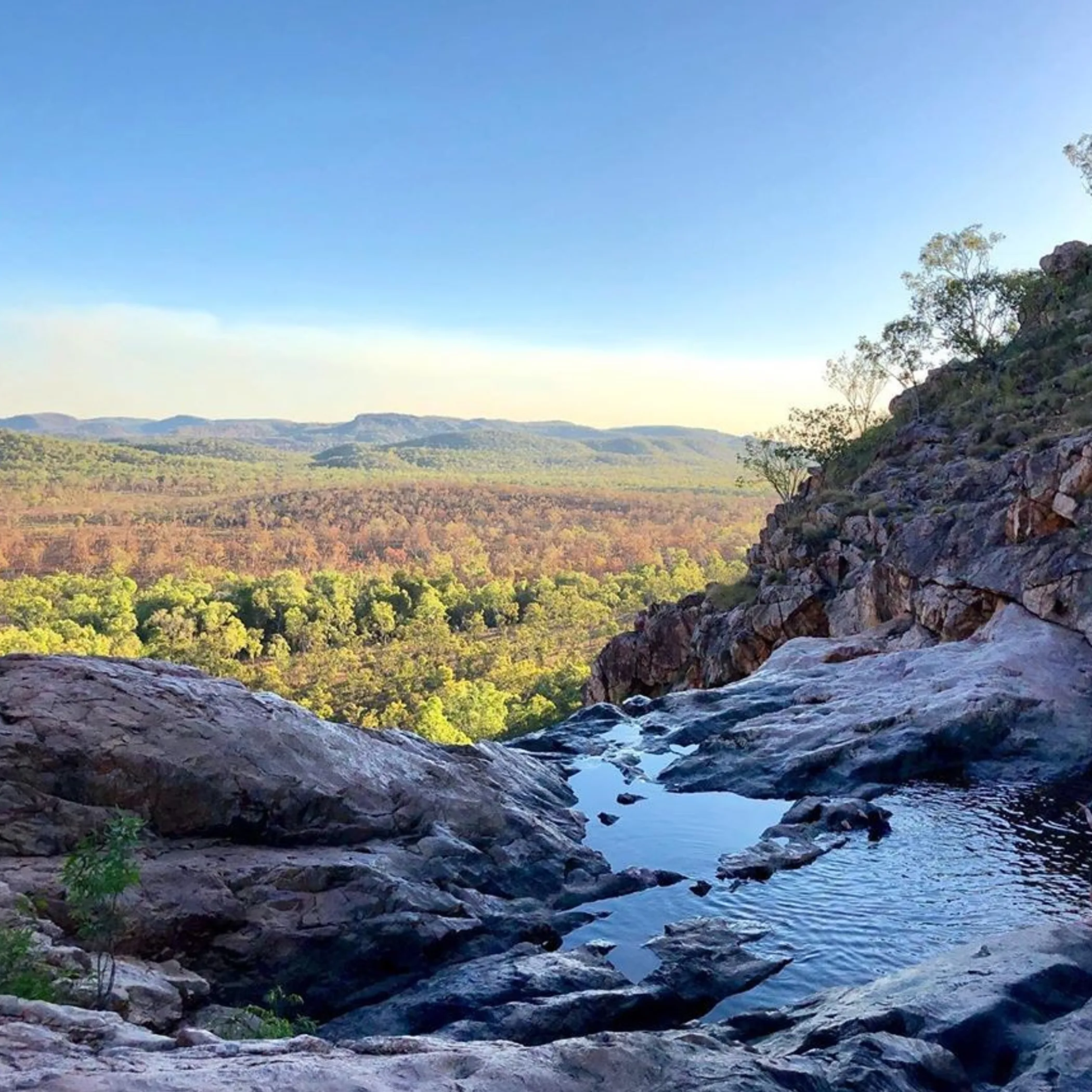
“Dry” is not as easy as it sounds in Gurrung, the hot dry stretch. Long drives, little shade and the dry heat will see to you in short order if you have the idea of making a day of it in the park like one might in an air-conditioned city. Yet there are compensations. With fewer people about some places have a calmer, less contrived feel and the wildlife is to be found where the water is.
Hot Weather, Sharper Choices
From the middle of August to October the heat builds, vegetation dries and water sources diminish. A bird or animal is easier to spot near a sure thing of water. Those who are not fazed by the heat and can get their physical exertion done before noon will be fine. Not so much for anyone with a low tolerance for it, or with small children in tow for a big walk, or who is in the habit of not drinking enough.
I made the error of thinking “I am Portuguese, I understand heat” in the Top End some years back. Brisbane had been humbling enough, but Kakadu put two by two on it. The heat does not just warm you, it sits on you and saps your pace; what was meant to be an optimistic afternoon walk becomes a very ordinary proposition. Start earlier than you think warranted. Then some more.
Gunumeleng Signals The Build-Up
The pre-monsoon build-up of Gunumeleng can be a revelation if you are new to the Top End. The air is heavy, storms are gathering and there is a sense the landscape is biding its time. It is visually dramatic to be sure, and as physically sticky as any season where the mozzies will detect any sign of weakness and your fringe is done for by breakfast.
Storm Light And First Rains
In the space between mid-October and the end of December the humidity is on the rise and thunderheads put in an appearance. Some rain comes to freshen things up and the first storm is as likely to put paid to your touring plans as to provide relief. Nature makes a quick response; look for the fresh green and a change in the birds. The Darwin woolly butt and the way the water is are among the ecological indicators the Top End puts forward along with the flowering.
A superb choice for colour and drama and to avoid the crowds. Only do not expect every road and viewing area to be as obliging as you would like. A storm has a way of turning the day on its head in short order.
Your Ideal Timing
What season is right for you when it comes to setting your dates? It is not so much a matter of some universal ranking as it is a question of how you put up with the heat, what flexibility you have and which side of Kakadu you are after. One does not go on a wet-season photography expedition or a birding holiday for the same reasons as a family road trip.
The six-season system is of real use here, more than an exercise in cultural interest. It is the best way to set your expectations and avoid unpleasant surprises.
For the most trouble-free access and walking conditions all round, make it Yegge or Wurrgeng.
Should you be in the mood for the drama of storms and lush country and do not mind if the itinerary is altered by heavy humidity or a closure, then Gudjewg or Gunumeleng will suit you.
Travel in the shoulder season with Banggerreng or Gurrung and you can put up with the odd lingering wet or a bit of dry heat in exchange for having the crowds to yourself.
Then there is the matter of first-timers who will tell you Yegge and Wurrgeng are the best of seasons for Kakadu. But if you want to see the landscape in full motion under electric skies and massive water movement, that calculus is quickly done in.
As things stand, one would be wise to regard local operations, safety and access as they are in the moment and not as given. Be it a flood or a bushfire management issue, a road closure or a weather warning, any of these can put a spanner in your plans. And across northern Australia from November through to April, cyclone alerts are something to factor in even if the effects are not felt everywhere.
No Drama Getting There
On paper Kakadu is not far from Darwin, but the Top End has its distances and they should be respected. The pancake flatness of the country may lead one to think it will be quick work; add in fuel and photo and heat stops and you will find otherwise.
How you get about will determine the nature of the trip. You have the option of self-driving for its own brand of flexibility, or you can let a guide take the guesswork out of access and weather, come the transition and wet months.
Logistics
The Arnhem Highway is the usual route by road from Darwin for most making their way to the park. A self-drive is fine in the accessible months though at times a 4WD is called for. Do not take the word of a friend who was there “about this time last year” or some old forum post, check the road status before you leave.
There is parking at the main visitor areas but it is not uniform. In the height of the dry season you can be packed in like sardines at the popular spots. When it is wet the question is whether the site is open, not if it is crowded.
Put together a budget with some realism. Factor in entry fees, camping or a room, food, water, insect repellent and a bit of spare for when you have to change course. Remote touring has a habit of running to more than the initial estimate once the long miles are in.
Kakadu: Expectation and Reality
It is no exaggeration to say Kakadu will reward you for being flexible and make you pay for being rigid. The park is dictated by the country, the heat and the water, your spreadsheet is a very poor second.
Thalia Vale would put it this way: the better trips are the ones that do not try to conquer the place. Let the season decide the day and have time for a chat, pick fewer places to see.
You might expect to “do Kakadu” in a quick loop. In reality the heat, the closures and the distances call for a slower approach.
You could think the dry and wet seasons are enough to judge timing, but the Bininj and Mungguy seasons are a fairer measure.
A well known waterfall will not present the same way every year of the week, the season alters the flow and the mood of it.
As for wildlife, do not count on luck, you need patience and the right water levels.
Some Common Questions
By now you may want to put some loose ends to without opening another dozen tabs. Here are the ones that come up most, and an occasional one that is wider in scope.
The Six Seasons Of Kakadu
They are Yegge, Wurrgeng, Gurrung and Gunumeleng, along with Gudjewg and Banggerreng. The Bininj and Mungguy have named them to reflect the year’s changes in everything from plant cycles and animal behaviour to rain and humidity.
Easy Access: When To Go
Yegge and Wurrgeng are the times of choice for a good many visitors who want to be sure of their touring conditions. One will find less humidity, roads that are more readily accessible and walking weather to one’s liking in these periods as opposed to the build-up or monsoon months.
Is The Wet Season A Bad Time To Go?
Not at all, though it makes for a different sort of trip. There is spectacle to be had in the wet season in the way of waterfalls, storms and verdant scenery, but then again there are the heavy humidity, flood damage and the odd closure to contend with. It is better suited to a traveller with some flexibility in his plans than to those with a rigid itinerary.
What Are The Six Noongar Seasons And How Are They Identified?
These six seasons are peculiar to south-west Western Australia and have no bearing on Kakadu’s system. In Noongar Country they are put in evidence by what the environment tells you: the winds, the rainfall, animal activity and flowering. Do not make the mistake of confusing them with the six seasons of the Bininj and Mungguy in the Top End.
What Of The Six Dharug Seasons? Why Have Aboriginals Six?
The Dharug calendar is for the Country of the Sydney basin and is unlike either the Noongar or Kakadu systems. On a wider scale, Aboriginal seasonal calendars are born of an intimate knowledge of the local country. But six is by no means a model universal to all Aboriginal nations; how seasons are recognised is a matter of place, ecology and culture.
A Word On The Season
To get a proper handle on the seasons in Kakadu is to appreciate that the country is your guide, the calendar only part of it. For a traveller the six-season framework is a practical aid in making plans that accord with reality, not merely something of cultural interest.
For access and comfort, Yegge and Wurrgeng are the way to go. Should you prefer a park with some drama and a gloriously wild feel, complete with its floodplains and storms, then Gudjewg or Gunumeleng is where you should be looking, with the ability to be flexible about it. Heed the advice of locals and see what the conditions are like; do not try to reason with the weather up here in the Top End. You will not prevail.