The answer is a straightforward one if you want to get to the more out of the way reef sites in Western Australia: put together a regional flight, have a boat or a capable vehicle on hand, or better yet all three. For Rowley Shoals an open-ocean run from Broome is called for; with Ningaloo Reef a fly-and-drive via Exmouth or Coral Bay will do; to make it to the Abrolhos Islands from Geraldton one takes a charter, a scenic flight or a cruise of several days.
I am Thalia Vale. I do not make allowances for things to go wrong when I am packing for the family so why should I with remote travel? Make sure you have a sensible backup. In WA the reef will be there for those who plan well but will not be forgiving of a hazy itinerary, a late fuel stop or the notion that “remote” is just another word for no café in sight.
A Glance At Some Remote Reef Routes
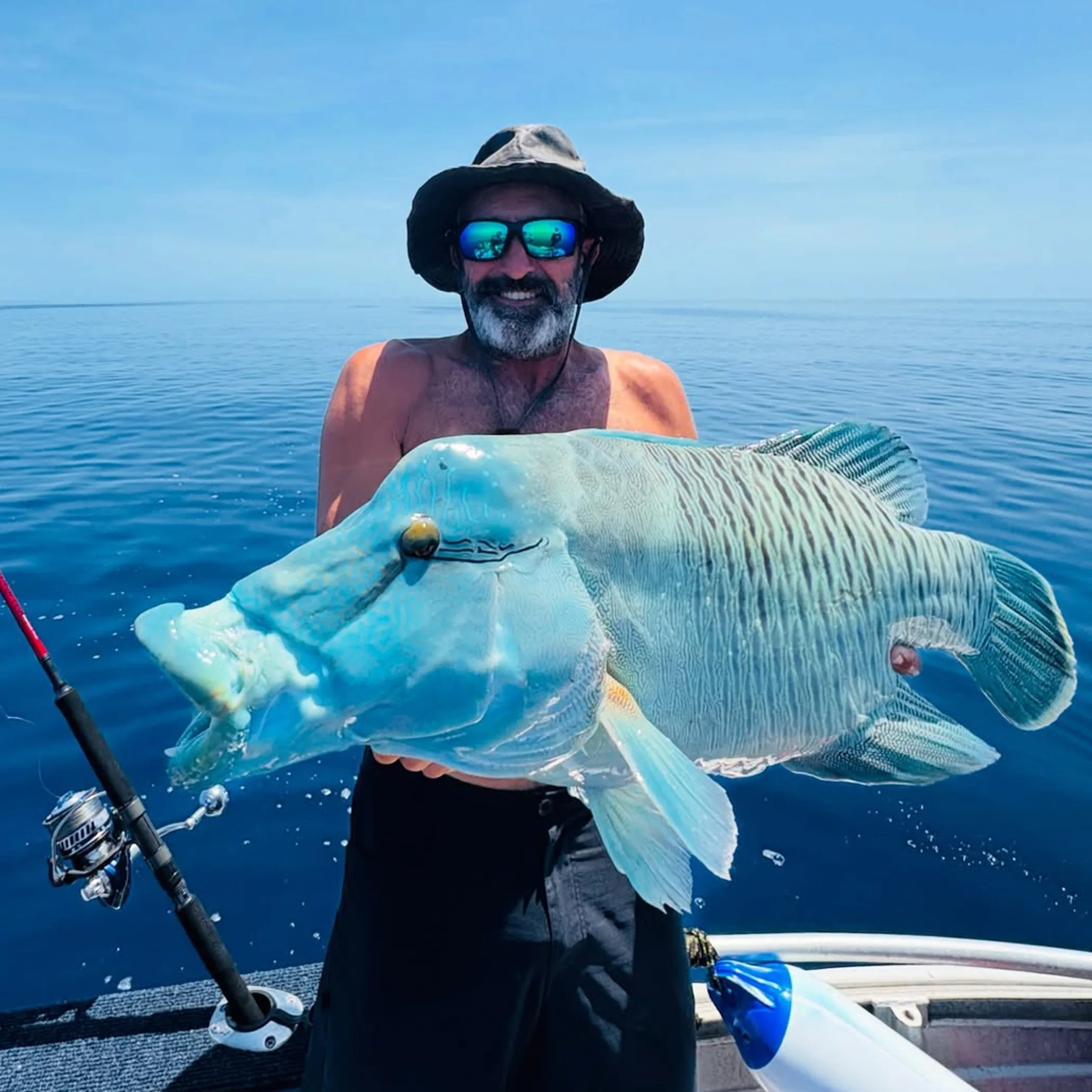
You will not find the major remote reef sites of Western Australia to be one cohesive destination. They each present their own cost, degree of comfort and means of access. It is up to you to decide how much rough road and logistical faffing over open water you are in a position to deal with.
The table offers some hard numbers for your planning, not promises. Journey times and distances are at the mercy of the tides, weather, aircraft and what the operator has put in his itinerary. For recommended WA reef timing, check seasonal conditions.
| Site | Main Access Point | Typical Travel Style | Planning Distance Or Time | Best Suited To |
|---|---|---|---|---|
| Rowley Shoals Marine Park | Broome | Liveaboard or multi-day cruise | 300 km offshore; a matter of days | Those with the experience for an open-ocean transit |
| Ningaloo Coast World Heritage Area | Exmouth, Coral Bay or Learmonth Airport | Fly-and-drive, guided tour or local charter | 260 km of coastline; road time is variable | Families and first-timers wanting the option of land access |
| Abrolhos Islands | Geraldton | Cruise, charter or scenic flight | 60 to 100 km west of Geraldton (varies by island) | The sort of traveller after some fishing, marine history and wildlife |
What the figures show is the distinction between Ningaloo where there are land-based alternatives and places like the Abrolhos and Rowley Shoals which are more reliant on a good weather window and an operator you have on the books.
Getting To Rowley Shoals From Broome
Do not make the error of regarding Rowley Shoals as a day trip from Broome. This remote string of atolls, Mermaid and Clerke Reefs among them, is normally reached by way of a liveaboard expedition putting to sea from Broome.
Liveaboard Expeditions
A specialist operator will have the vessel for a multi-day cruise. One might look at the likes of Odyssey or Coral Expeditions to compare, but you will have to confirm inclusions and availability with them at the point of booking.
From the moment the boat is out of port you are in for it. There is no jetty to retreat to if the swell gets to you, nor any mobile signal. Seasickness pills and a level head serve you better than bravado.
Sea Conditions
An operator’s schedule is dictated by wind, tides and the season. Do not mistake a published itinerary for a railway timetable; if it is unsafe they will shorten a snorkelling stop or alter course.
After my introduction to how fast a boat deck can turn into a skating rink I have little patience for the advice to pack a light jacket. Put on some layers and non-slip shoes, use dry bags and take what the pharmacist puts in front of you. You do not want a wet towel to put you out, let alone your passport or seasickness tablets.
Who Is It For?
If you are a confident swimmer or snorkeller and relish an expedition, Rowley Shoals is right up your street. But check the operator on age and safety if you have small children in tow, and it is not for anyone who must have dependable connectivity or cannot stand the motion of a boat. Too many concentrate on the reef and lose sight of the fact that the open-ocean passage is part of the affair, not just a way to get from one photo op to the next.
Transport For Ningaloo Reef
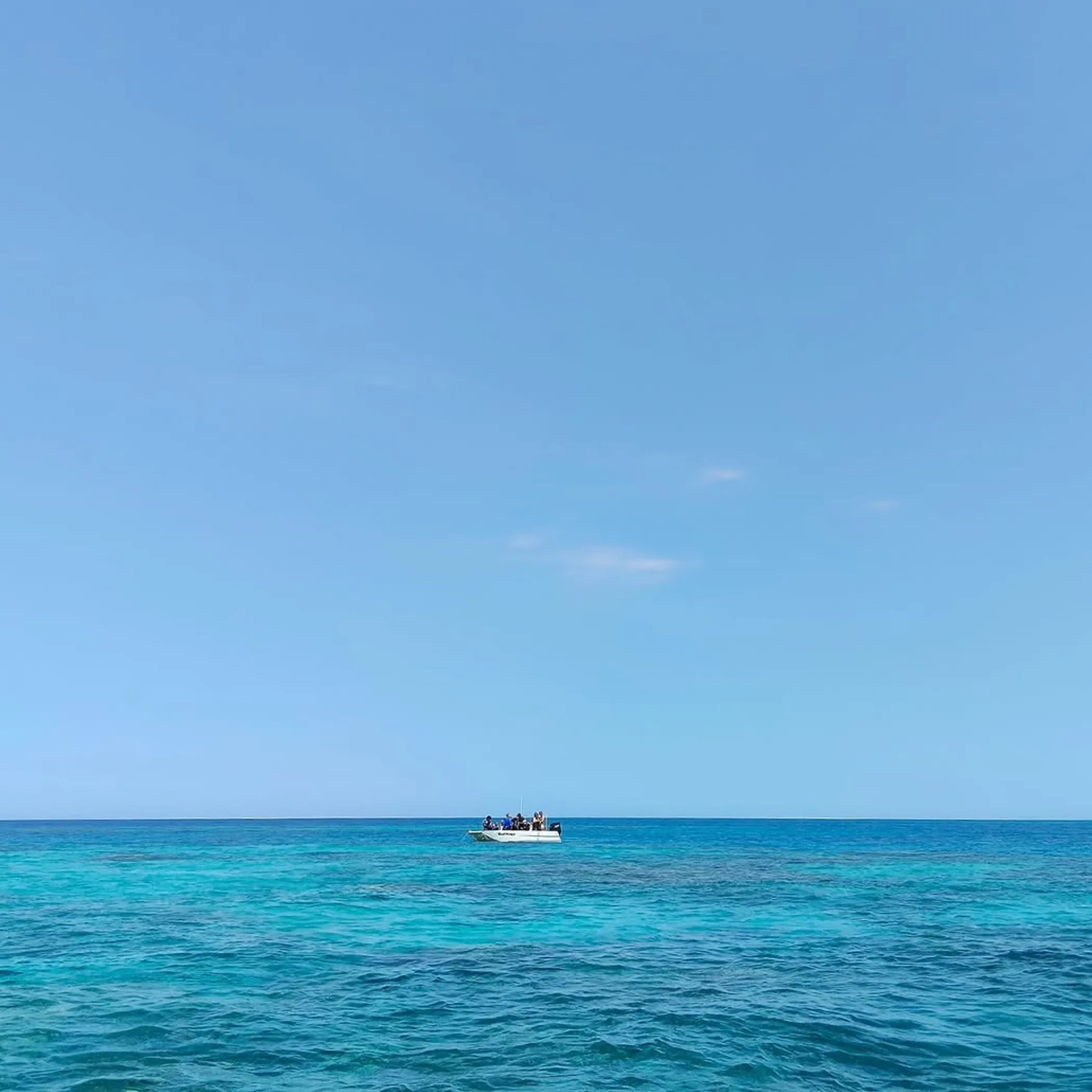
Of the three, Ningaloo is the most accommodating. A flight to Learmonth and a hire car in Exmouth will see you set up, or one can simply drive down to Coral Bay. WA’s guided reef tours and charters, operating out of either centre, will take you to marine locales off limits from the shore.
Learmonth Airport: The Way In
For Exmouth and the northern Ningaloo coast there is no more sensible air gateway than Learmonth. But do not expect to be put down at the airport and left to it; with shops, accommodation and the reef sites all over the place, a transfer, tour or hire car is de rigueur.
A fly-and-drive plan has its merits over a few days, allowing one to work around the tides, the wind and what the tour operators have on offer. Put in an order for the vehicle prior to your flight, come school holidays or when the marine life is at its most popular. There is nothing as laid back as “we’ll make it work once we are on the ground” until you find the only car left is a pricey ute sporting a dubious tyre.
Making Exmouth Your Base
Exmouth is well placed for getting to Cape Range National Park, for boat tours and snorkelling from the shore in the north of Ningaloo. One finds more services here than in Coral Bay, which simplifies matters when it comes to stocking up on fuel and groceries or putting in a call for backup accommodation.
Do not be taken in by the map when driving the coast. A route can be made into a morning’s work by roadworks, the heat, a spot of wildlife or the need to stop for a photograph. Make sure there is water in the car and put some distance between yourself and any reliance on phone coverage after you have left town.
Coral Bay
Travellers who like the convenience of being able to putter from their door to the beach or a local charter will appreciate the proximity of the reef in Coral Bay. It is a compact and straightforward affair if not as well supplied as Exmouth in terms of accommodation and the like.
With but a day to spare, pick a marine activity you have put to paper and leave plenty of leeway for the weather. Scheduling a dawn tour, a long drive inland and an evening flight home is not an itinerary so much as a practical joke at one’s own expense.
The Abrolhos Islands
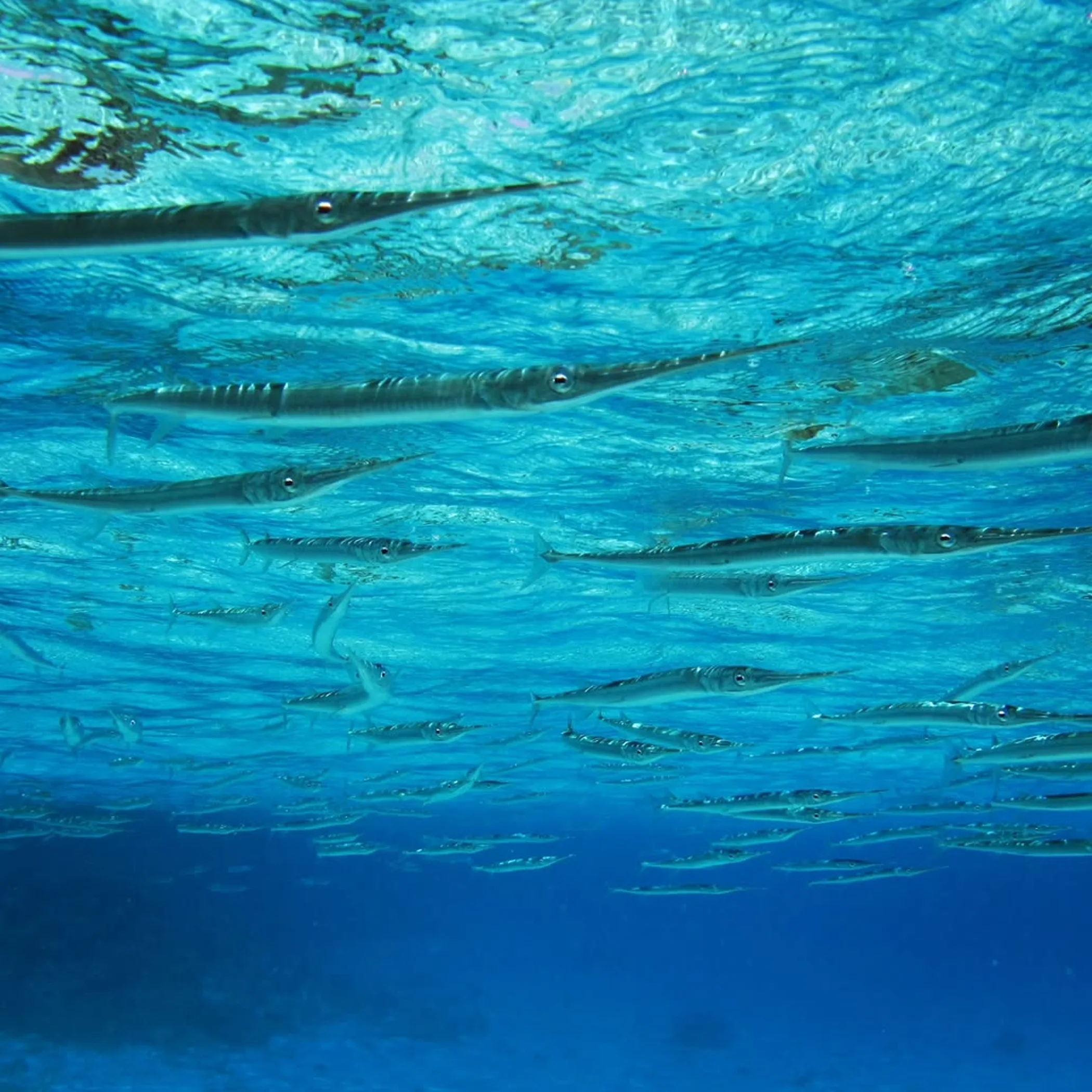
Getting to the 122 islands that make up the archipelago is typically a matter of flying or boating from Geraldton. There is no such thing as “the Abrolhos” as an arrival point, the distance from Geraldton being a function of the island group or landing site in question.
Boat or Flight?
You will have more time on the water with a multi-day cruise or charter, and the option to fish or explore an island. A scenic flight is faster and puts things in a geographic perspective, though you will not be on the islands as long.
Make an operator tell you what is in the fare. Transfers, meals, luggage, landing fees, equipment and any weather contingencies should be part of the discussion. An attractive headline price has a way of losing its appeal when you realise every essential is an extra.
Expect Limited Island Services
There is little in the way of resort amenities on the islands. Fresh water, shade, toilets and rubbish disposal are not to be found in equal measure everywhere. Heed the Department of Biodiversity, Conservation and Attractions and the operator as to biosecurity, fishing and landing.
The prudent course is to consider each visit self-contained. Have your sun protection, medication and water for the duration. Do not count on being able to top up a phone or put in for lunch once you have landed.
Roads, Permits And Safety
Before the reef even shows itself, remote travel demands attention. Rain, fire or cultural closures can alter access rules and road conditions in a hurry, whether you are on the Great Central Road or making your way north from Perth.
Look at the parks and wildlife information from the Department of Biodiversity, Conservation and Attractions for the latest on visitor guidance and any closures.
Check Permits And Closures
As for permits, the Great Central Road does not come with a universal document for every side trip. What is required may hinge on reserve boundaries, Aboriginal land or a planned detour. Verify camping and entry with the authorities. A park entry is not the same as permission to cross Aboriginal land, just as a boat operator will have approvals an individual does not for marine access.
Prepare The Vehicle Properly
See that the vehicle is in order. There should be enough water and fuel for the route and then some. Inspect the battery, coolant, recovery gear and tyre pressures. And a two-way radio is preferable to standing and waving at a road train in the hope of charity.
- Have on hand a first-aid kit, some sun protection and provisions in the way of food and drinking water.
- If the vehicle and the route warrant it, put in two serviceable spare tyres along with any recovery gear and tools the vehicle needs.
- Make sure a reliable person has your emergency contact procedure, return plan, booking information and where you are headed.
- Do not put your faith in an optimistic mark on a map; check fuel stops for yourself and get your maps downloaded at reception before you go.
Reef activities call for a review of tides and currents, the operator’s medical requirements, vessel safety data and one’s own swimming ability. And in the north, croc-wise conduct is as important as ever even if the waterways are as flat as can be.
Packing for the remote reef
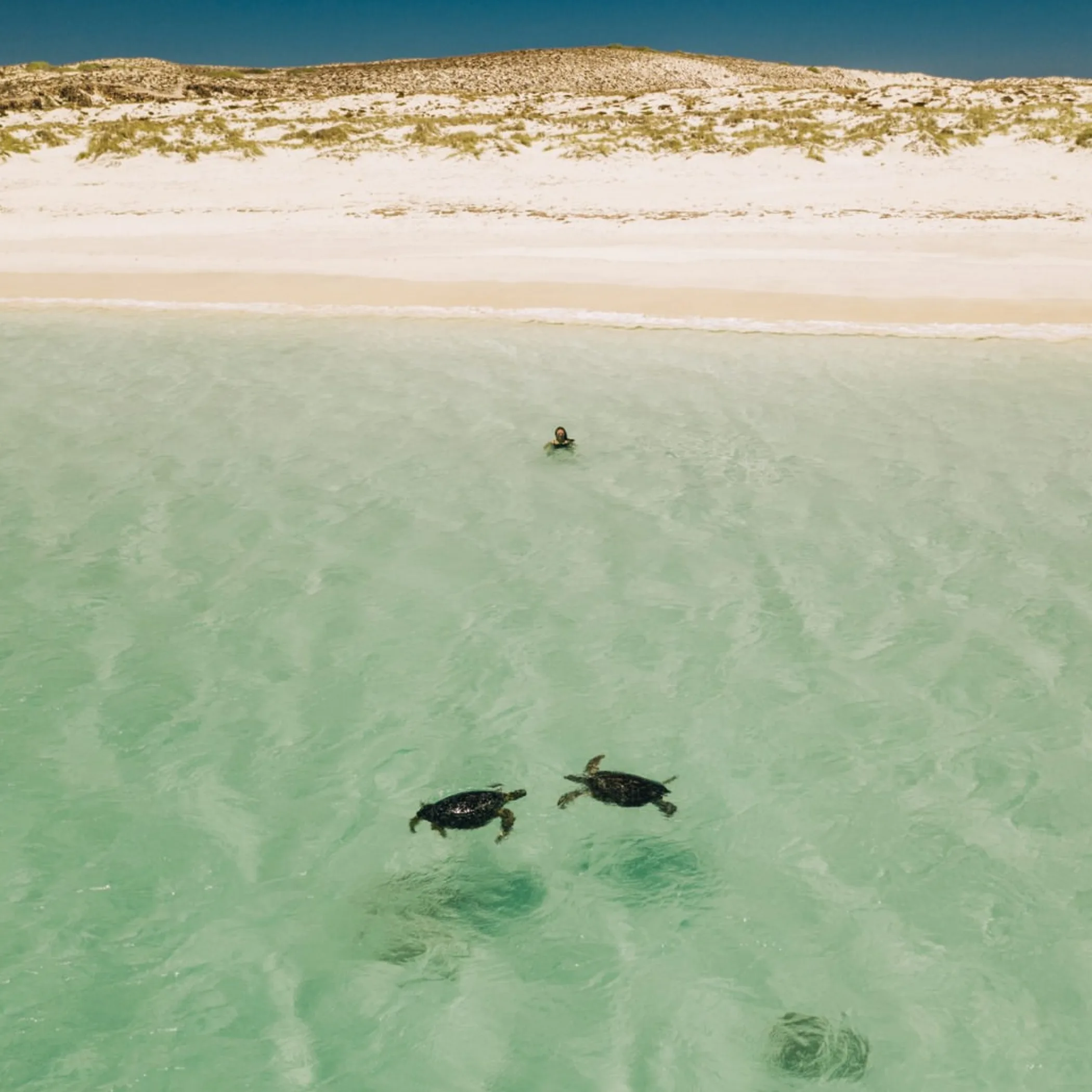
A good packing list will be unexciting but very useful. Allow for wind, salt, the sun and wet gear, and the chance that what was to be a landing turns into a day on the boat.
Phones, medication, a passport and a change of clothes should be in dry bags. If an operator is insistent, take reef-safe sun protection. A hat that does not come off, a bottle you can refill, prescription drugs, something for motion sickness and quick-drying attire are all in order. Reef shoes are fine if you are told to have them, but they are no substitute for a flotation device or being able to swim.
On the road, have paper copies of your licences, bookings and who to call in an emergency. Put fuel and water where one can get to them easily instead of having to dig through suitcases. With children in tow, stock up on snacks beyond what is sensible; they will know when a bag is empty from 40 paces off.
Booking and time to budget
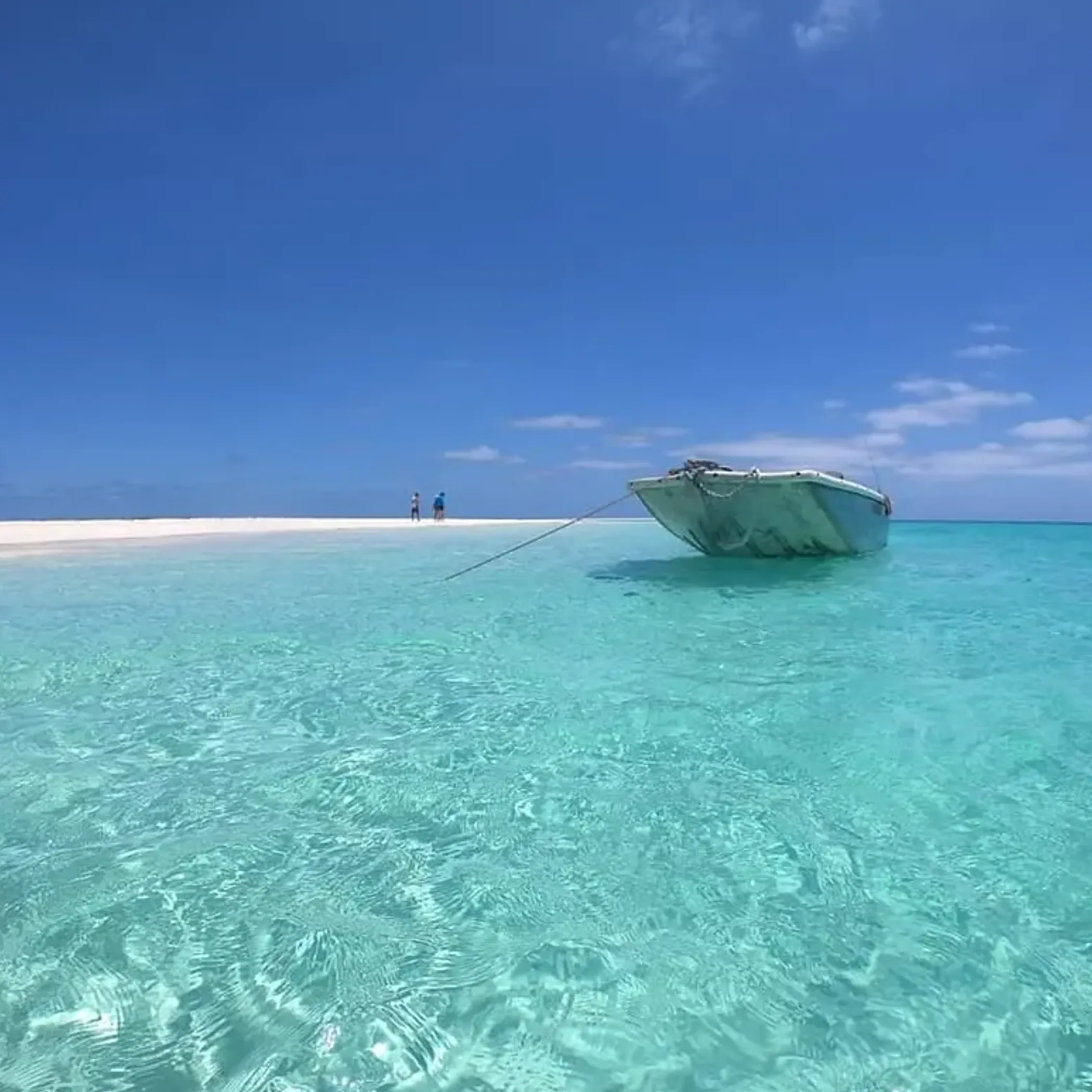
Costs for a WA reef trip are subject to wide variation depending on the season, how long you are there, the type of vessel and your accommodation. The following are in Australian dollars and should be taken as rough planning figures, nothing more than that. You will want to put in a call to operators and accommodation to verify inclusions, cancellation terms and actual prices.
| Travel Component | Indicative Planning Allowance | What Can Change The Cost |
|---|---|---|
| Regional return flights | $250–$900 or so | The date of booking, baggage, demand and departure city |
| Hire car and fuel | In the region of $100–$250 a day, fuel extra | One-way fees, insurance, the vehicle and season |
| Ningaloo reef activity | Per person about $150–$450 | Size of vessel, equipment, the tour and wildlife focus |
| Abrolhos day trip | Some $300–$900 per head | Landing spots, meals and whether you fly or boat in |
| Rowley Shoals expedition | A few thousand dollars per person | When you depart, inclusions, cabin, length of trip and vessel |
Then there are costs for replacement items, insurance, meals and some accommodation that are not included here. Miss a connection and you are looking at an unplanned night out, which adds up in a hurry on a remote trip; put a buffer in between your flight and tour if you can.
Book with the weather in mind
You will not find a guaranteed daily timetable with remote reef operators, they work to a seasonal window. The dry season is more dependable for travel but also sees stronger demand, the northern wet season can mean cyclones, storms and a heavier sea.
Treat the recommended timing for a WA reef as a guide. Inquire as to the operator’s policy on cancellations and what the alternative is if the vessel is unable to put to sea. Your travel insurance ought to cover the marine tours and transport you have in mind.
Suit the route to the traveller
Ningaloo is the answer for those after the simplest mix of hire cars, regional flights and guided activities with their accommodation. The Abrolhos Islands are for the one who relishes island logistics and can put together a well-ordered day or two from Geraldton. Rowley Shoals is for the person the expedition itself will appeal to as much as the reef.
With some forethought and a reputable operator, a beginner can make the most of Ningaloo. Rowley Shoals is not so forgiving given the open ocean and lack of options. The Abrolhos is somewhere in between: you can get there on an organised outing but poor preparation will show in such a remote place.
Frequently asked questions
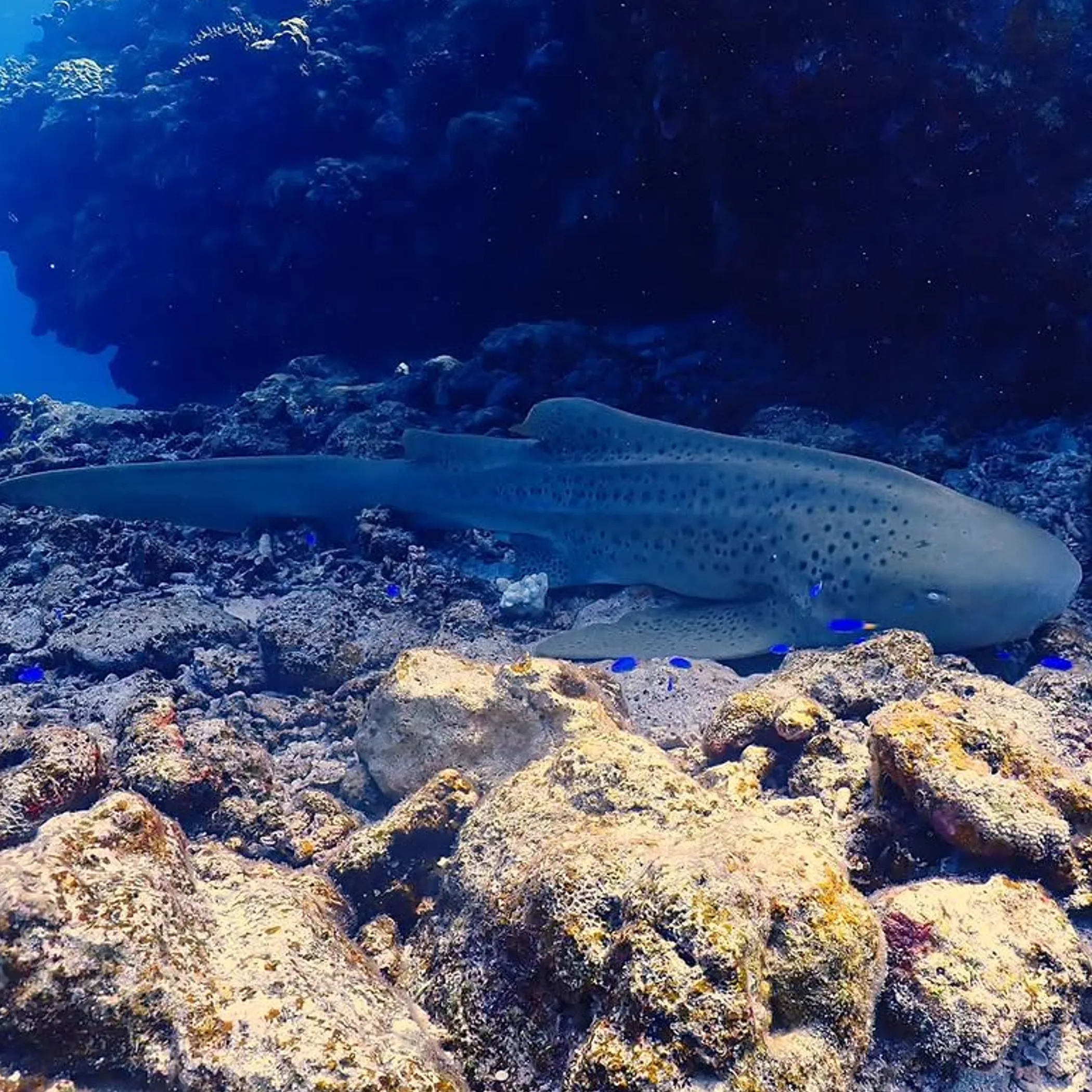
How does one make it to Rowley Shoals?
As a rule it is not done by day trip or passenger ferry, being so far offshore. Visitors tend to book a multi-day cruise or liveaboard out of Broome. One should expect an itinerary at the mercy of the weather, little in the way of communications and several days aboard.
Is a permit needed for the Great Central Road?
It is a matter of the particular route, side trips, communities and land tenure. No single permit will do for everything. See what the entry permits and Aboriginal land access rules are, and check for any road closures prior to travelling.
WA’s most remote town?
There is no agreed upon answer to that. “Most remote” may be defined as the hardest to get to by sealed road or the furthest from a capital or major centre. The Pilbara, Kimberley and inland have their share of settlements with varying access. It is better to plan for the destination in question than to go by a label.
Getting to the Great Barrier Reef?
Tour or charter boats, liveaboards and scenic flights from Cairns, Townsville, Port Douglas or Airlie Beach are the norm in coastal Queensland. The same holds true in Western Australia: pick a mainland point of entry and see what transport suits the site and the time.
Would you say Ningaloo is easier on the traveller than Rowley Shoals?
Generally yes. At Ningaloo there are multiple operators, shore-based options and Exmouth or Coral Bay for accommodation, not to mention road and air links. Rowley Shoals demands a vessel be booked and a willingness to put up with conditions that may change.
Put the journey in the plan
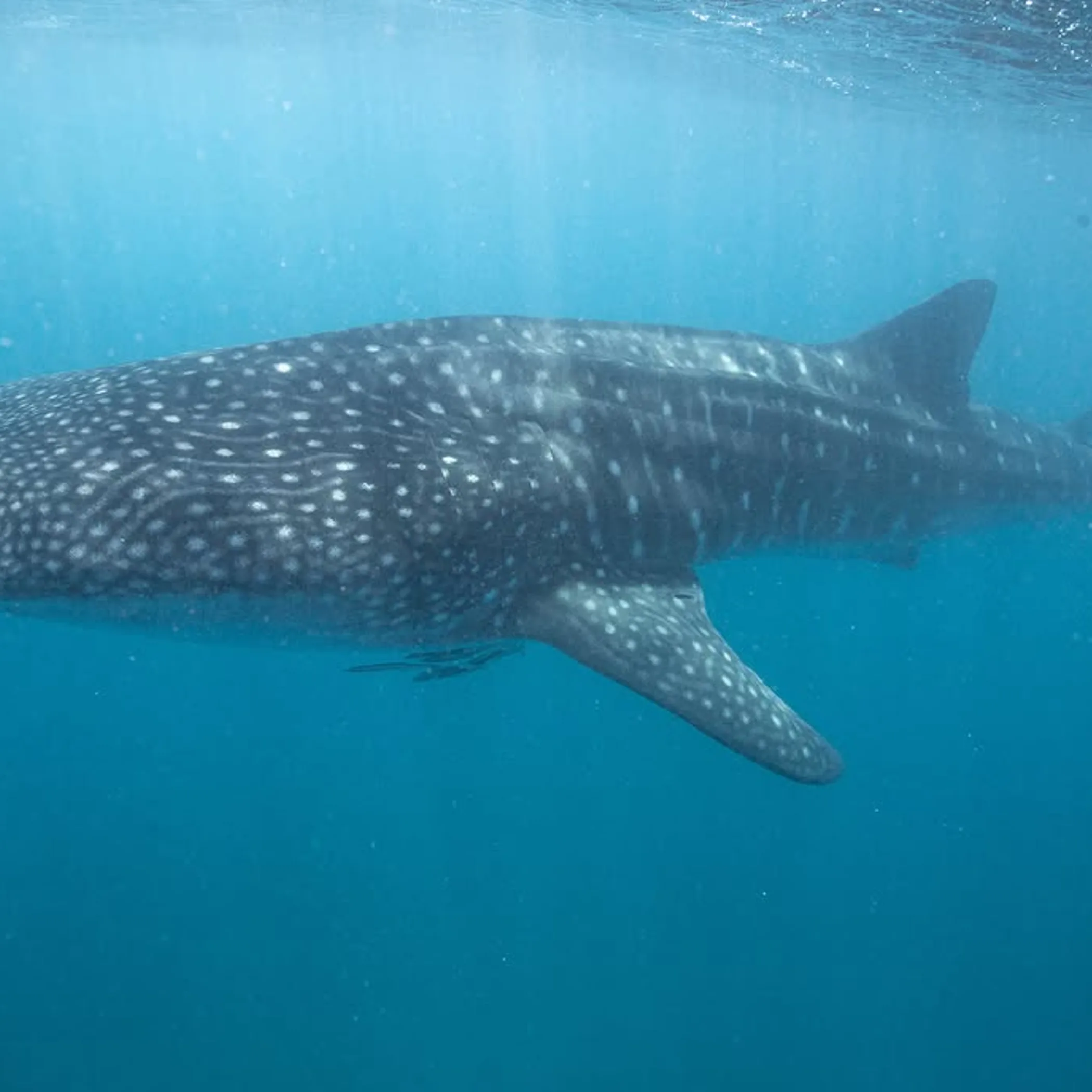
These are not things to be tacked on to a standard coastal holiday, the remote reefs of WA are accessible enough but require a certain approach. Confirm your transport from the gateway, factor in the weather and delays and have supplies to hand in case things do not go to plan.
Ningaloo is the sensible option for a first timer, while Rowley Shoals is for those in search of a liveaboard experience and the Abrolhos for a more formalised island excursion. Wherever one goes, give the distance its due, heed the local operators and let the reef dictate the pace.